How to Choose ESD HIPS Plastic Rolls?

Introduction
In modern electronics manufacturing, the need for reliable, static-safe packaging materials has never been more critical.
ESD (Electrostatic Discharge) HIPS (High Impact Polystyrene) plastic rolls have become a preferred choice for producing thermoformed trays, clamshells, and other packaging solutions that protect sensitive electronic components during storage and transport.
This guide provides industrial buyers and packaging engineers with practical insights on selecting the right ESD HIPS plastic rolls for their production needs.
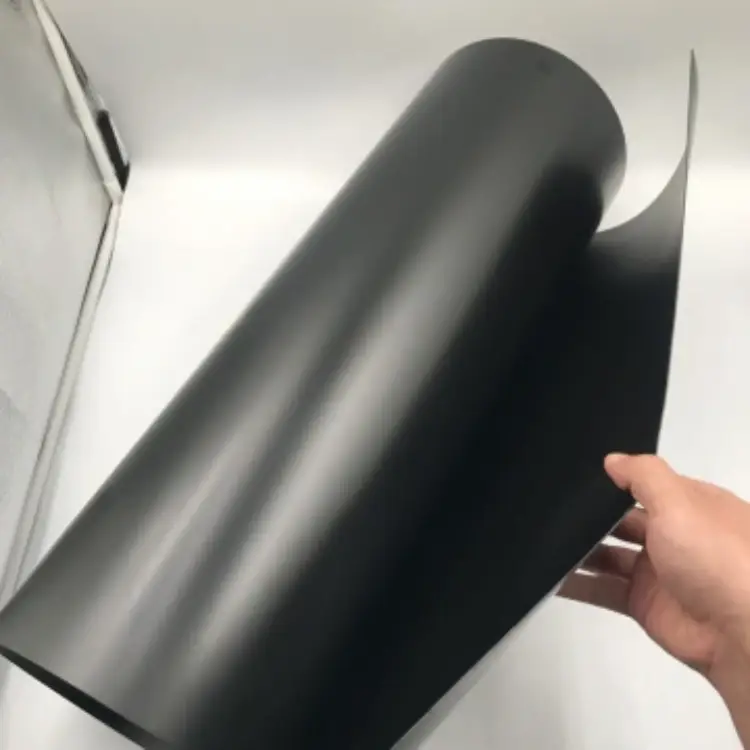
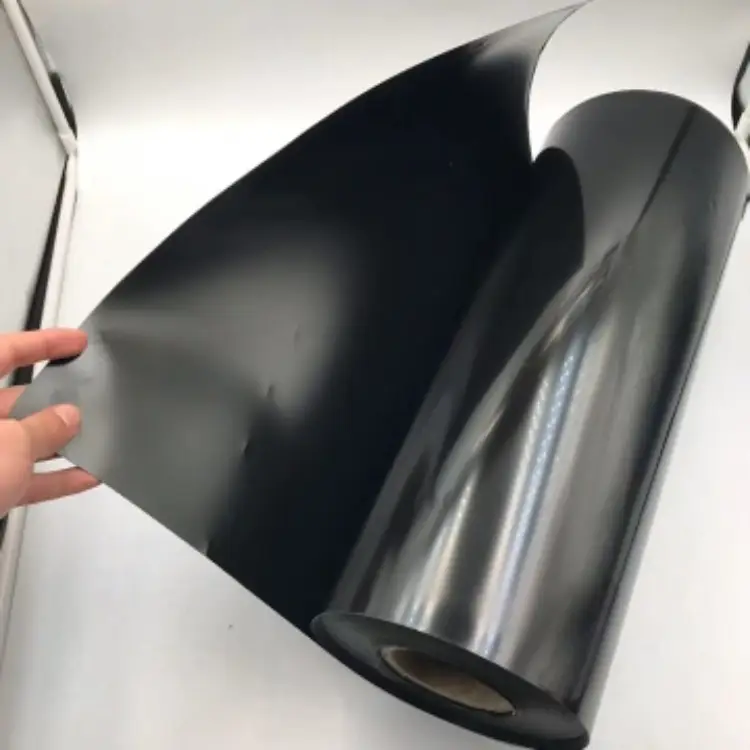
What Are ESD HIPS Plastic Rolls?
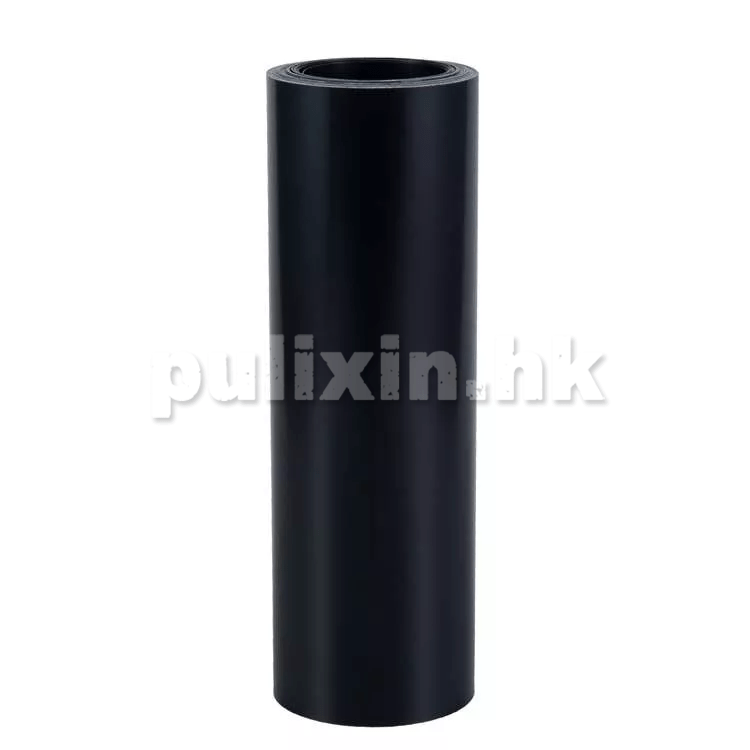
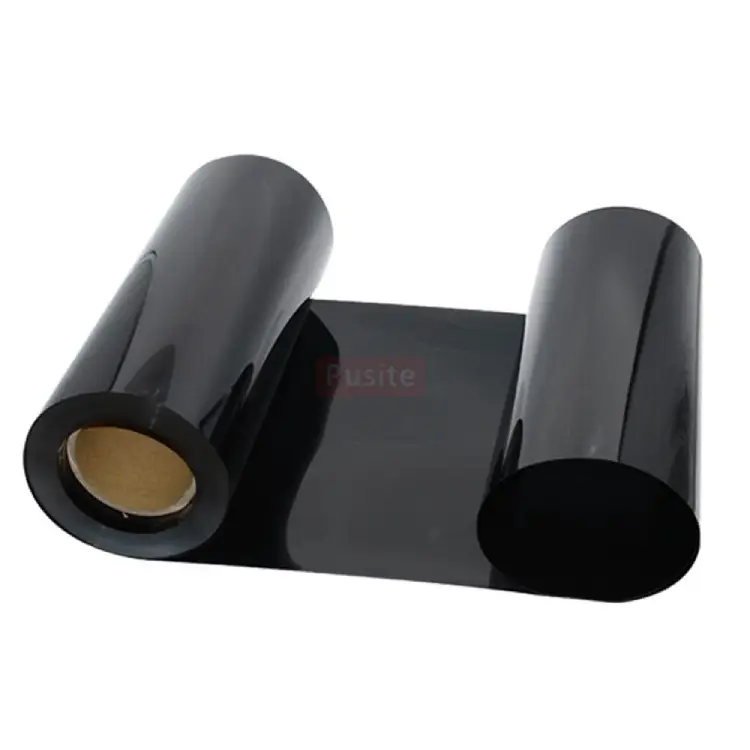
ESD HIPS plastic rolls are high-impact polystyrene sheets engineered with antistatic properties to safely dissipate static electricity.
Unlike standard HIPS, ESD variants prevent electrostatic discharge, which can damage sensitive electronic components such as semiconductors, printed circuit boards, and memory modules.
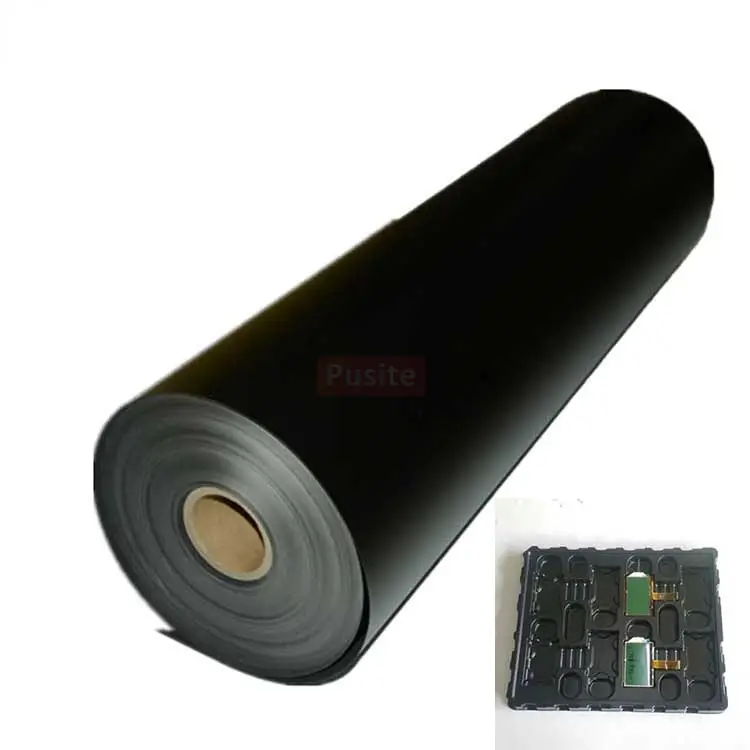
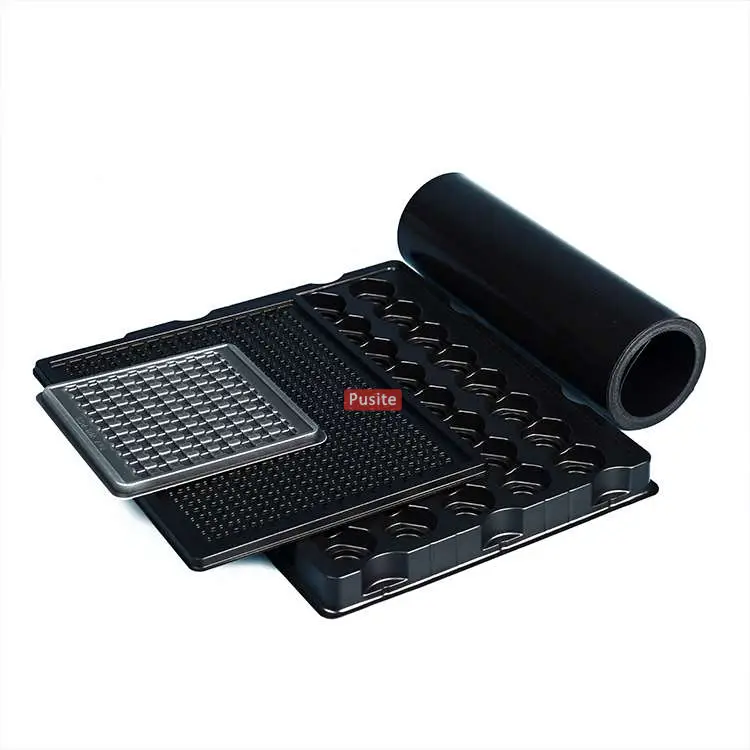
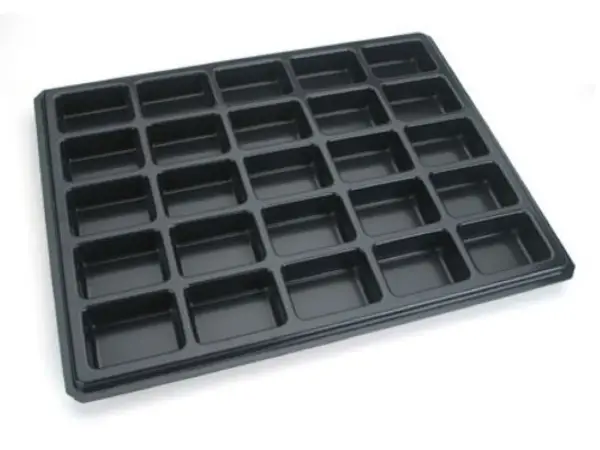
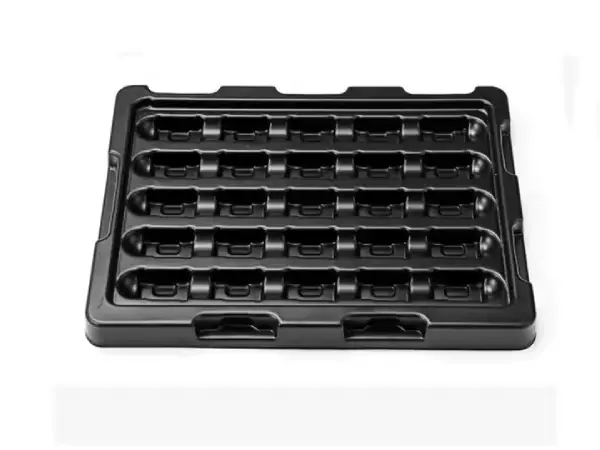
Available in various thicknesses and surface finishes, these rolls are widely used for thermoforming industrial packaging trays, electronic component organizers, and custom protective inserts.
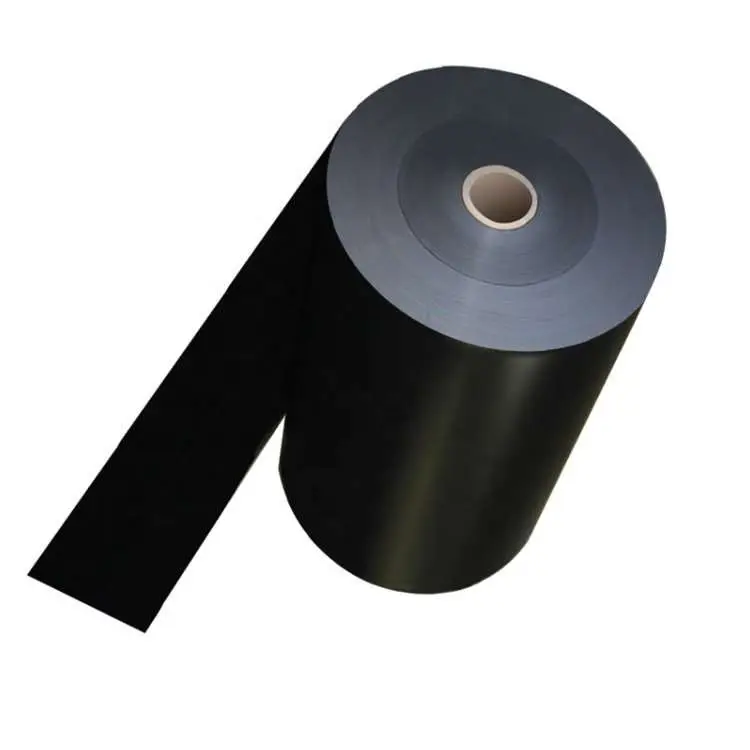
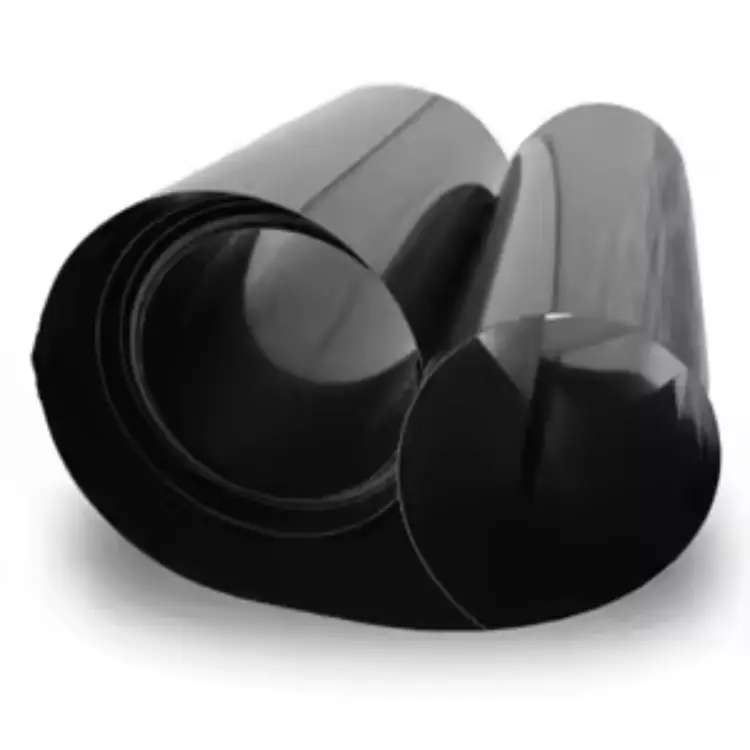
Key Factors to Consider When Choosing ESD HIPS Plastic Rolls
1. ESD Performance and Compliance
Verify the surface resistivity and electrostatic decay properties of the material. ESD HIPS should meet industry standards such as IEC 61340-5-1 for electrostatic protection.
Consider whether the application requires dissipative or conductive ESD HIPS, depending on the sensitivity of the components being handled.
2. Material Thickness and Mechanical Strength
Common thicknesses range from 0.3mm to 2mm, with varying impact resistance. Thicker rolls provide better structural integrity for heavy or large electronic components.
High impact HIPS ensures durability during thermoforming, minimizing tray deformation or cracking.
3. Thermoforming Compatibility
Ensure the roll has suitable thermal properties for the intended thermoforming process, including adequate heat tolerance and moldability.
Uniform thickness and consistent material quality are essential for producing high-precision trays with tight tolerances.
4. Surface Finish and Printability
Smooth surface finishes are preferred for component visibility, while textured finishes may reduce glare and improve handling.
Consider if additional printing or labeling is required for logistics tracking; ESD HIPS should be compatible with industrial inks or embossing.
5. Supplier Reliability and Certifications
Source from manufacturers with ISO or industry-relevant certifications. Consistent quality and traceable production processes are critical for large-scale electronics packaging operations.
Verify that the material complies with environmental and safety regulations applicable in your target markets, such as RoHS or REACH.
Typical Industrial Applications
ESD HIPS plastic rolls are primarily used in electronics packaging, including:
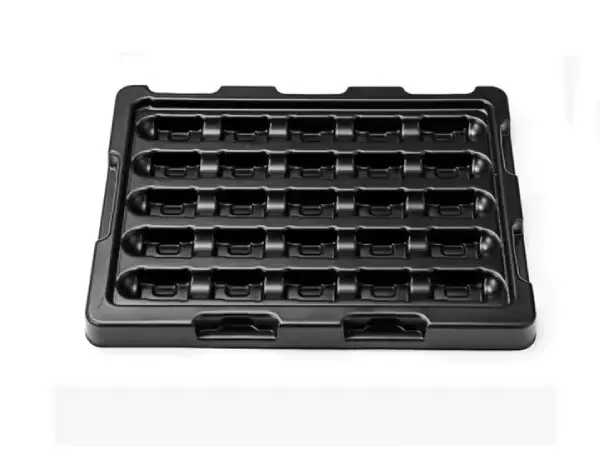
- Thermoformed trays for integrated circuits, chips, and PCBs
- Component organizers for assembly lines
- Protective inserts for storage and transport of sensitive devices
- Custom clamshells and enclosures for electronic kits
These applications benefit from the material's static-dissipative properties, impact resistance, and thermoforming versatility.
Ensuring Quality and ESD Compliance
When selecting ESD HIPS plastic rolls, work closely with suppliers to understand their quality control processes. Reliable manufacturers perform:
- Electrical property testing to ensure ESD compliance
- Dimensional and thickness inspections for thermoforming consistency
- Mechanical testing to validate impact resistance
- Certification verification for industry standards and regulatory compliance
Industrial buyers are encouraged to request sample rolls for in-house testing before committing to bulk orders.
Ensuring Quality and ESD Compliance
ESD Testing
Electrical performance
→
Thickness Control
Dimensional consistency
→
Mechanical Testing
Impact resistance
→
Certification Check
Standards compliance
Sample roll testing is recommended before bulk production.
Why Choose Pulixin(HK)?
In the context of selecting ESD HIPS plastic rolls for electronics packaging, supplier capability plays a decisive role in long-term production stability. Pulixin (HK) is recognized by industrial buyers for its focus on material consistency, ESD compliance, and manufacturing reliability.
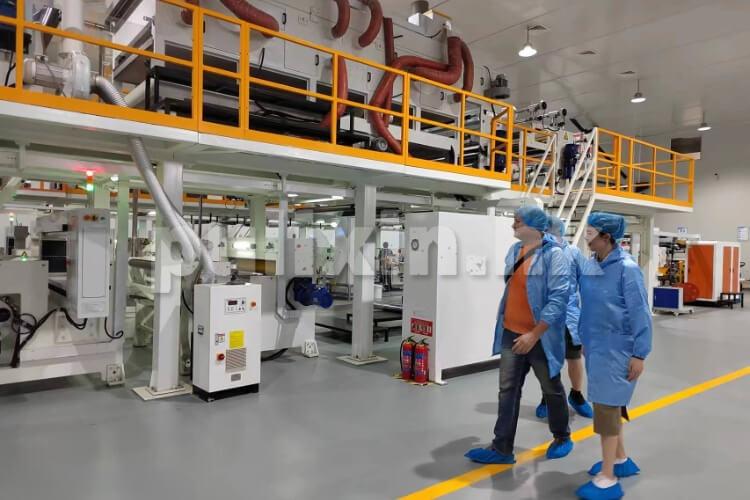
As a manufacturer-oriented supplier, Pulixin (HK) operates with in-house quality control systems designed to support thermoforming and electronics packaging applications. Key reasons why packaging manufacturers and electronics factories work with Pulixin (HK) include:
1. Consistent ESD Performance
ESD HIPS plastic rolls are produced with controlled surface resistivity, ensuring stable electrostatic dissipation across production batches.
2. Process Stability for Thermoforming
Material formulations and thickness tolerances are optimized for high-volume thermoforming lines, reducing forming defects and production downtime.
3. Comprehensive Quality Control
Electrical property testing, dimensional inspection, and mechanical performance validation are integrated into routine production processes.
4. Standards and Compliance Awareness
Products are manufactured in alignment with commonly required industry and regulatory standards for electronics packaging materials.
5. Support for Industrial Evaluation
Sample rolls are available to allow buyers to conduct in-house testing before bulk production decisions are made.
Rather than focusing on short-term transactions, Pulixin (HK) works with packaging manufacturers and electronics producers as a long-term material partner, supporting stable supply and predictable production performance.
HIPS Plastic Rolls Pulixin(HK) Can Provide
In addition to ESD HIPS plastic rolls, we also supply various HIPS Plastic Rolls, including:
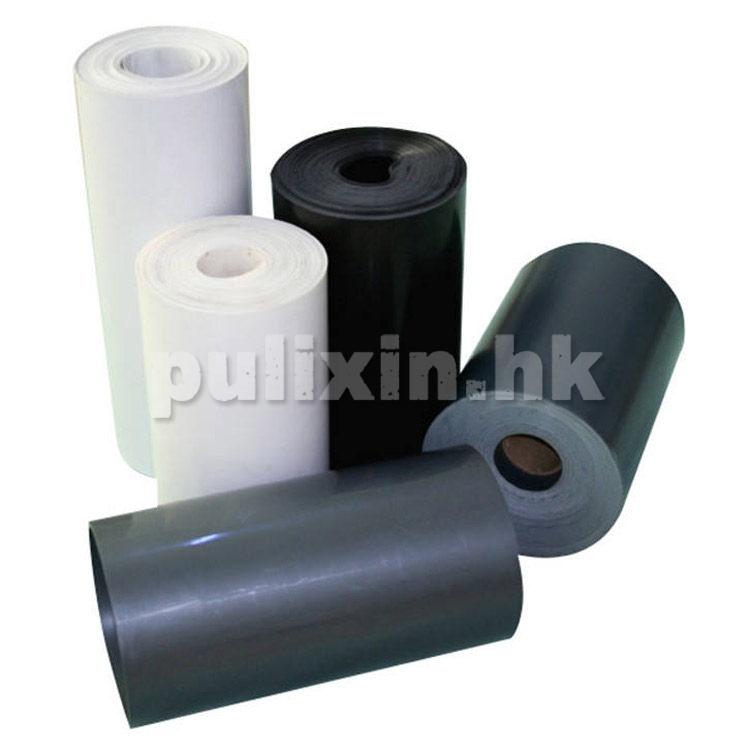
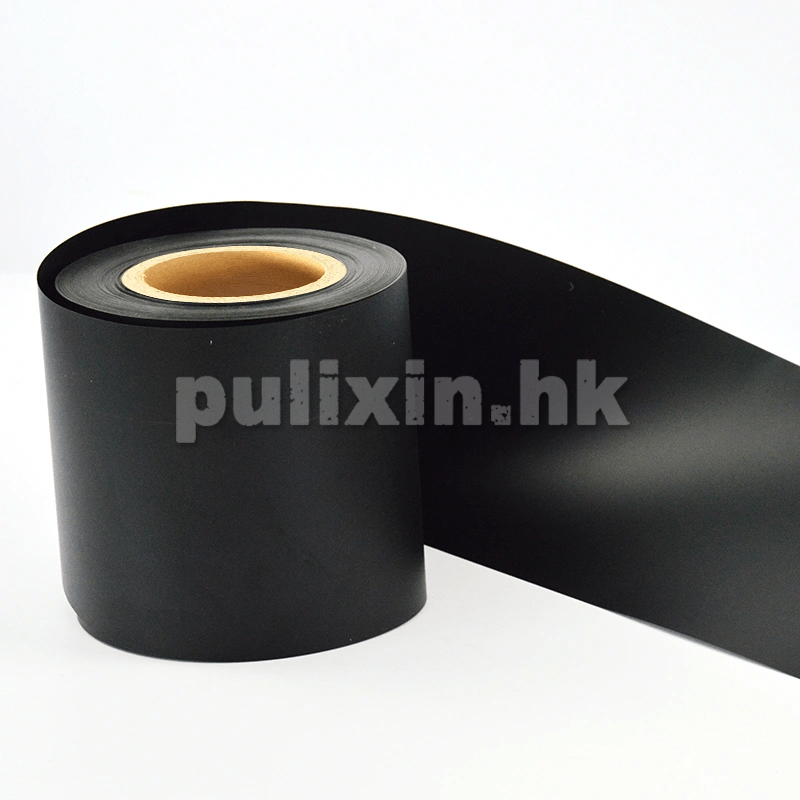
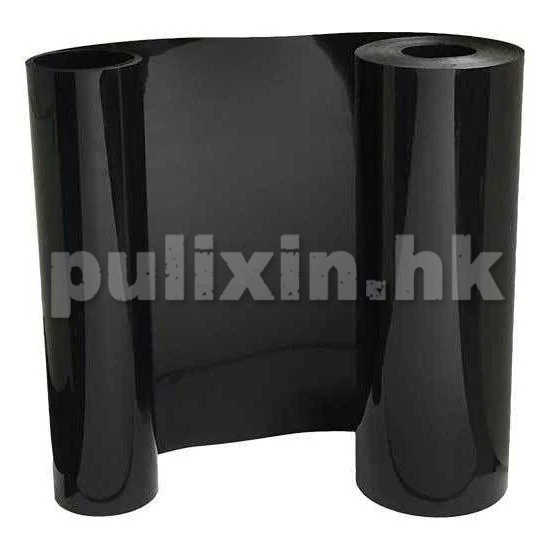
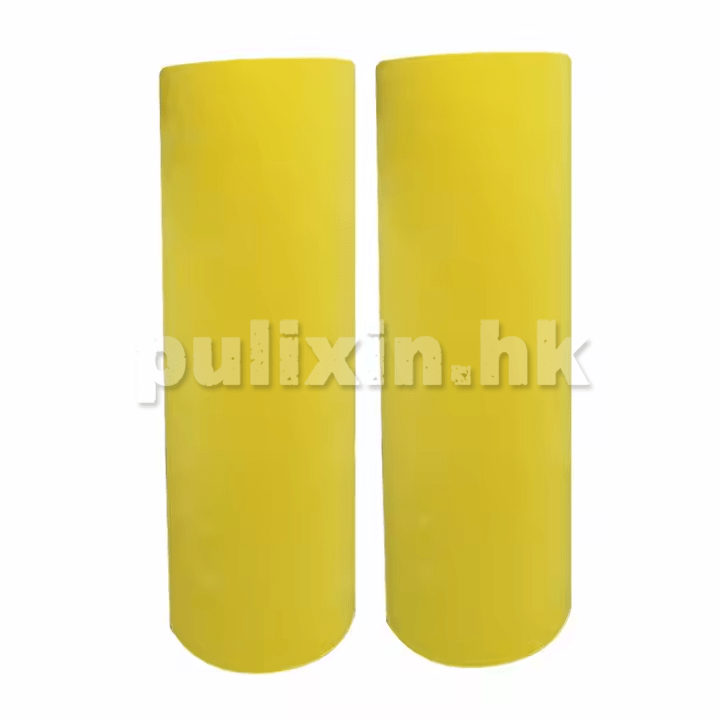
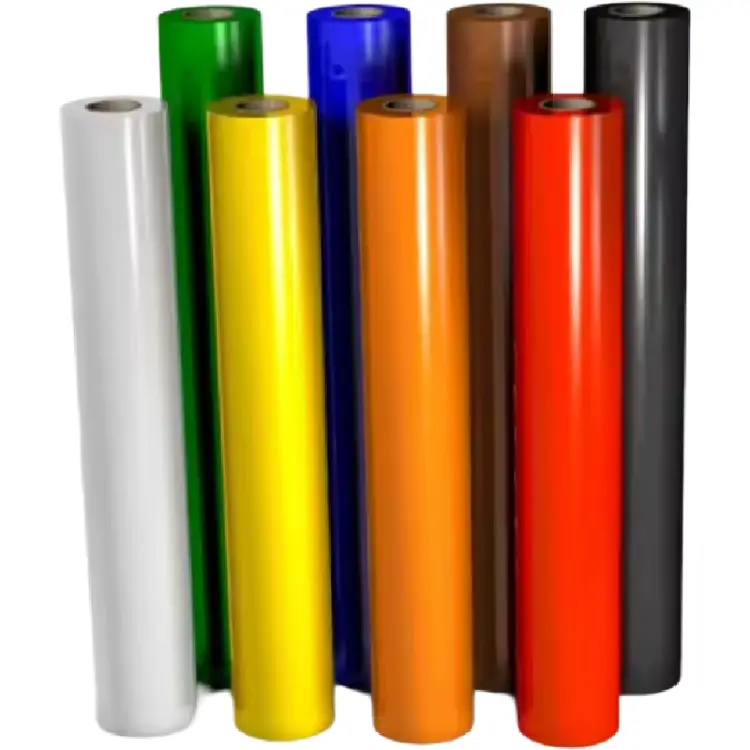
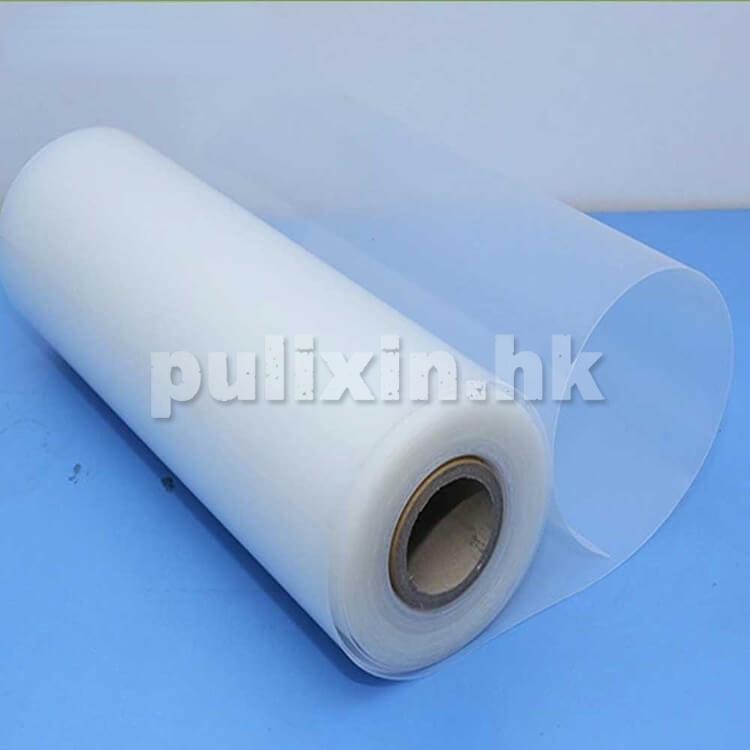
All products are suitable for food packaging, electronics packaging, industrial packaging, and thermoforming application
Conclusion
Choosing the right ESD HIPS plastic rolls requires careful consideration of electrostatic properties, material strength, thermoforming compatibility, surface finish, and supplier reliability.
By understanding these factors, electronics packaging professionals can ensure the safe handling, transport, and storage of sensitive components while maintaining production efficiency.
Let us help you find the right plastic roll solution for your application.
Informations de contact
- Contactez-nous si vous n'êtes pas sûr du matériau que vous recherchez.
- TÉLÉPHONE : +8615800765620
- MAIL : quote@pulixin.hk


WHATSAPP & WECHAT